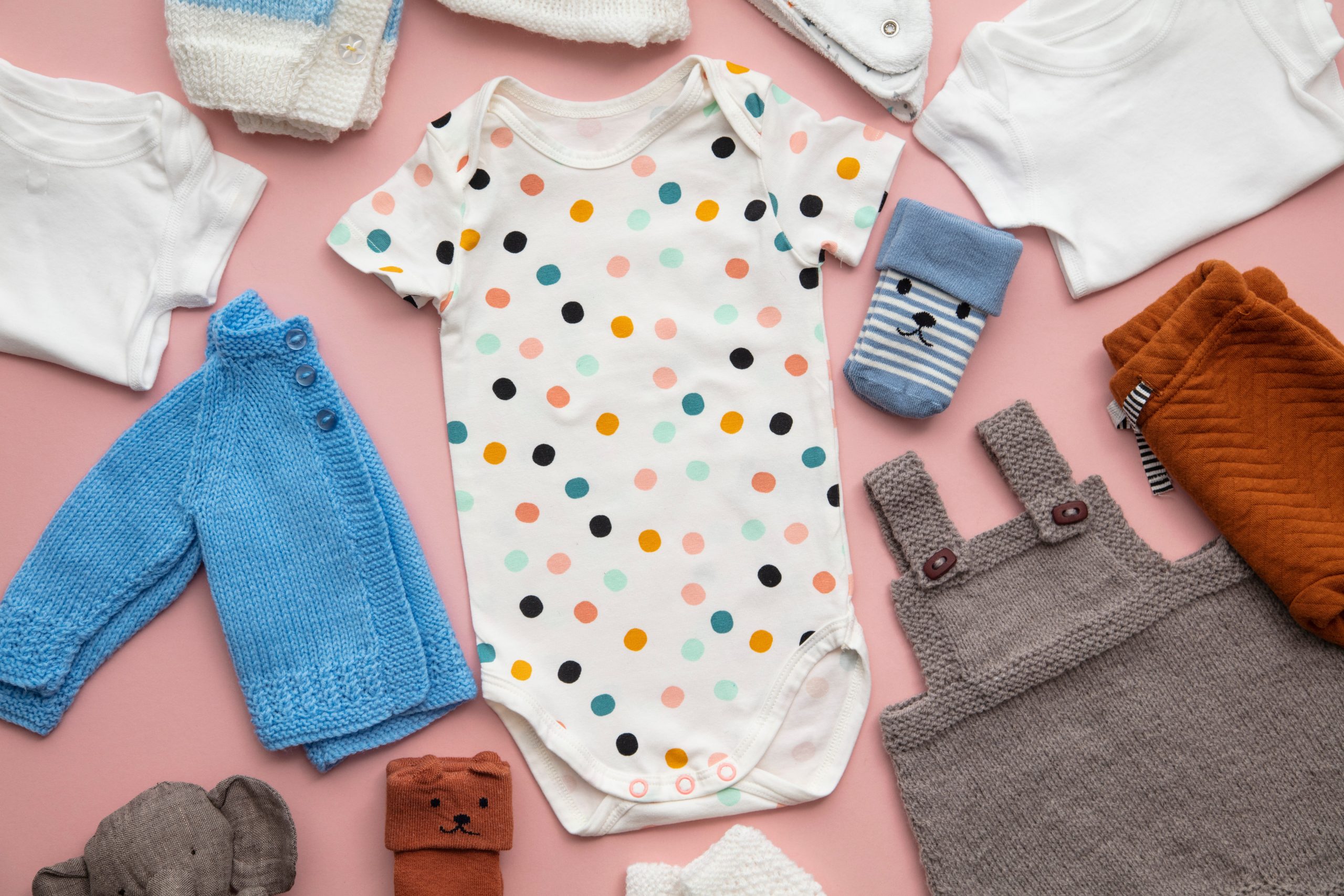
Welcoming a newborn into your family is an incredibly exciting time. As you prepare for your
little one’s arrival, one of the many decisions you’ll face is how to outfit your baby. From tiny
onesies to adorable hats, the world of baby clothing can be both fun and overwhelming. While
baby clothes are undeniably cute, it’s important to consider factors like comfort, safety, and
practicality when choosing the best options for your newborn.
This guide will walk you through the essentials of outfitting your baby, offering tips on what to
look for in baby clothes, how to select the best fabrics, and what items you’ll need to ensure
your little one is cozy, stylish, and well-equipped for every stage of their early months.
1. Start with the Basics: Onesies and Bodysuits
When outfitting your newborn, one of the first essentials to stock up on is onesies. These
simple, one-piece garments serve as the foundation for your baby’s wardrobe, offering comfort,
convenience, and ease of use.
Why Onesies Are Essential:
Onesies, also known as bodysuits, are a must-have in your baby’s wardrobe. They come in
various styles, including short-sleeve, long-sleeve, and sleeveless, and are ideal for layering
under other garments. Their snap closures at the bottom make diaper changes easy, which is
essential during the early months when your baby will need frequent changes.
How Many to Buy:
Newborns go through multiple outfit changes each day due to spit-ups, diaper leaks, and
general messes. It’s recommended to have at least 8-10 onesies in a variety of sizes to ensure
you have enough to last through the day. You can stock up on both short-sleeve and
long-sleeve options depending on the season.
2. Sleepwear: Comfort for Restful Nights
Your baby’s sleepwear should be soft, breathable, and safe. Babies spend a lot of time sleeping
in the first few months, so having the right sleepwear is crucial for their comfort and safety.
Choosing Safe Sleepwear:
The American Academy of Pediatrics (AAP) recommends dressing your baby in sleepwear that
fits snugly to reduce the risk of suffocation. Avoid loose blankets or clothing with strings, which
can pose a hazard. Instead, opt for wearable blankets or sleep sacks that will keep your baby
warm while minimizing any safety concerns.
Types of Baby Sleepwear:
● Footed Pajamas: Footed pajamas are a favorite choice because they keep babies
warm from head to toe. They often have zippers or snaps for easy diaper changes,
making them a practical option for nighttime.
● Sleep Sacks: These wearable blankets are a great alternative to loose bedding. They
come in various materials, including cotton and fleece, to suit different seasons.
How Many Sleepwear Pieces to Get:
It’s recommended to have 4-6 pairs of footed pajamas or sleep sacks on hand. This ensures
you’ll have enough to rotate through while doing laundry.
3. Outerwear: Keeping Baby Cozy
Depending on the season, you’ll need outerwear to keep your baby cozy when you’re out and
about. Whether it’s a chilly morning or an outing in the cold, your baby will need to be bundled
up for warmth.
Choosing Baby Outerwear:
● Fleece or Wool Jackets: Soft, insulated jackets made of fleece or wool are great for
cooler weather. They keep your baby warm without being too bulky and are easy to layer
over onesies or sleepers.
● Snowsuits for Winter: If you live in a cold climate, a snowsuit with a hood and warm
lining is essential for outdoor trips. Look for a snowsuit with footies or fold-over cuffs to
keep your baby’s hands and feet warm.
How Many Outerwear Pieces:
If you’re in a cooler climate, having one or two outerwear options should be enough to rotate
through the seasons. Be sure to also have a blanket or a warm wrap for extra coverage when
you’re out in the stroller.
4. Hats and Mittens: Protecting Baby’s Sensitive Skin
Babies’ delicate skin is highly sensitive to the sun, wind, and cold, so it’s important to protect
them with hats and mittens.
Hats:
A soft hat is essential to help regulate your baby’s body temperature. A hat can keep your baby
warm during chilly outings and protect their head from the sun during summer months. Be sure
to choose hats made from soft, breathable fabrics like cotton to prevent any irritation.
Mittens:
Babies’ nails can be sharp and may cause them to scratch their face, so baby mittens are an
excellent accessory to have. Opt for mittens with an elastic cuff to keep them securely in place.
How Many Hats and Mittens:
A couple of hats and mittens sets should be enough to keep your baby covered in all types of
weather. Consider having one lightweight hat for summer and one warmer hat for winter.
5. Socks and Booties: Keeping Baby’s Feet Cozy
While your newborn may not be walking just yet, keeping their feet cozy and warm is still
important, especially during the colder months.
Choosing Baby Socks and Booties:
● Socks: Soft cotton socks are ideal for keeping your baby’s feet warm and comfortable.
Choose socks with stretchy, elastic cuffs to keep them from slipping off.
● Booties: For added warmth, baby booties can be a great choice. They offer extra
coverage for your baby’s feet, especially if you live in a colder climate.
How Many Pairs to Get:
A handful of socks and booties should suffice. Consider buying 4-6 pairs, and be sure to check
the fit as babies’ feet grow quickly.
6. Diapering Essentials: Stay Organized and Prepared
No discussion about baby outfitting would be complete without addressing diapering essentials.
Babies go through a lot of diapers, so having the right supplies is key to staying organized and
prepared.
Diapers:
Choose the right type of diapers for your baby’s size and needs. Newborns will typically need
size 0 or 1 diapers, and it’s a good idea to stock up since babies go through 8-12 diapers per
day during the first few months.
Wipes and Diaper Cream:
Soft baby wipes are essential for cleaning up messes. Opt for hypoallergenic, fragrance-free
wipes that are gentle on your baby’s skin. You’ll also want to have some diaper cream on hand
to prevent and treat diaper rash.
Changing Pad or Table:
Set up a designated changing area with a changing pad or table. A portable changing pad can
also be helpful for on-the-go diaper changes.
7. Baby Shoes: When Your Baby Begins to Walk
While your baby won’t be walking for the first few months, eventually you’ll need baby shoes to
support their growing feet.
Choosing Baby Shoes:
● Soft Shoes: Look for shoes that are flexible and made of soft materials like leather or
fabric. These shoes allow your baby to move freely while offering minimal support.
● First Walkers: Once your baby starts walking, you’ll want shoes with a flexible sole and
some traction to help them balance. Choose shoes with a secure fit and soft, breathable
fabric.
How Many Pairs of Shoes:
For the first few months, you won’t need many shoes—just one or two pairs for outings. As your
baby starts walking, you’ll need a pair of sturdy, supportive shoes.
8. Dressing for Different Seasons
One of the most important things to consider when outfitting your baby is the season and
weather. Babies have a hard time regulating their body temperature, so it’s important to dress
them in layers and adjust based on the temperature.
Summer:
● Lightweight Onesies and Dresses: In warmer months, choose lightweight cotton
onesies or dresses. These fabrics are breathable and comfortable for your baby.
● Sun Protection: Don’t forget baby sunscreen and a wide-brimmed hat to protect your
baby’s skin from the sun.
Winter:
● Thermal Layers and Snowsuits: In colder months, dress your baby in thermal layers
under their outerwear. A snug, insulated snowsuit with a hood will keep them warm and
protected from the cold.
9. Organizing Baby Clothing
With all the adorable baby clothing you’ll receive or purchase, organizing it in a way that’s easy
to access is essential. Consider these tips:
● Use Bins or Drawers: Organize baby clothes by size and type (onesies, pajamas,
dresses, etc.) to make dressing your baby more efficient.
● Keep Extra Clothes in the Diaper Bag: Always have an extra outfit or two on hand in
your diaper bag, just in case of accidents.
Conclusion
Outfitting your baby is one of the most enjoyable parts of preparing for their arrival. While it can
be tempting to buy every cute item you see, it’s important to focus on the essentials that provide
comfort, safety, and practicality. With a solid wardrobe foundation—onesies, sleepwear,
outerwear, and diapering essentials—you’ll be prepared for whatever your baby needs. Plus,
remember that babies grow quickly, so be mindful of purchasing too many clothes in one size.
Enjoy dressing your little one, and cherish each moment as they grow and develop in the
adorable outfits you’ve carefully chosen for them!